Home Conditions Shoulder Impingement Syndrome
* Musculoskeletal Conditions

Shoulder
Impingement Syndrome*
Treatment.

Shoulder impingement syndrome occurs when the tendons of the rotator cuff muscles or the subacromial bursa become pinched between the head of the humerus and the acromion process of the shoulder blade during arm elevation. This causes pain, weakness, and limited range of motion, particularly when raising the arm above 60-120 degrees (the 'painful arc'). It is one of the most common causes of shoulder pain, particularly in overhead athletes, swimmers, painters, and individuals with poor postural alignment. Physiotherapy is highly effective for shoulder impingement, addressing the underlying biomechanical dysfunctions through rotator cuff strengthening, scapular stabilization, and postural correction, avoiding the need for surgery in the vast majority of cases.

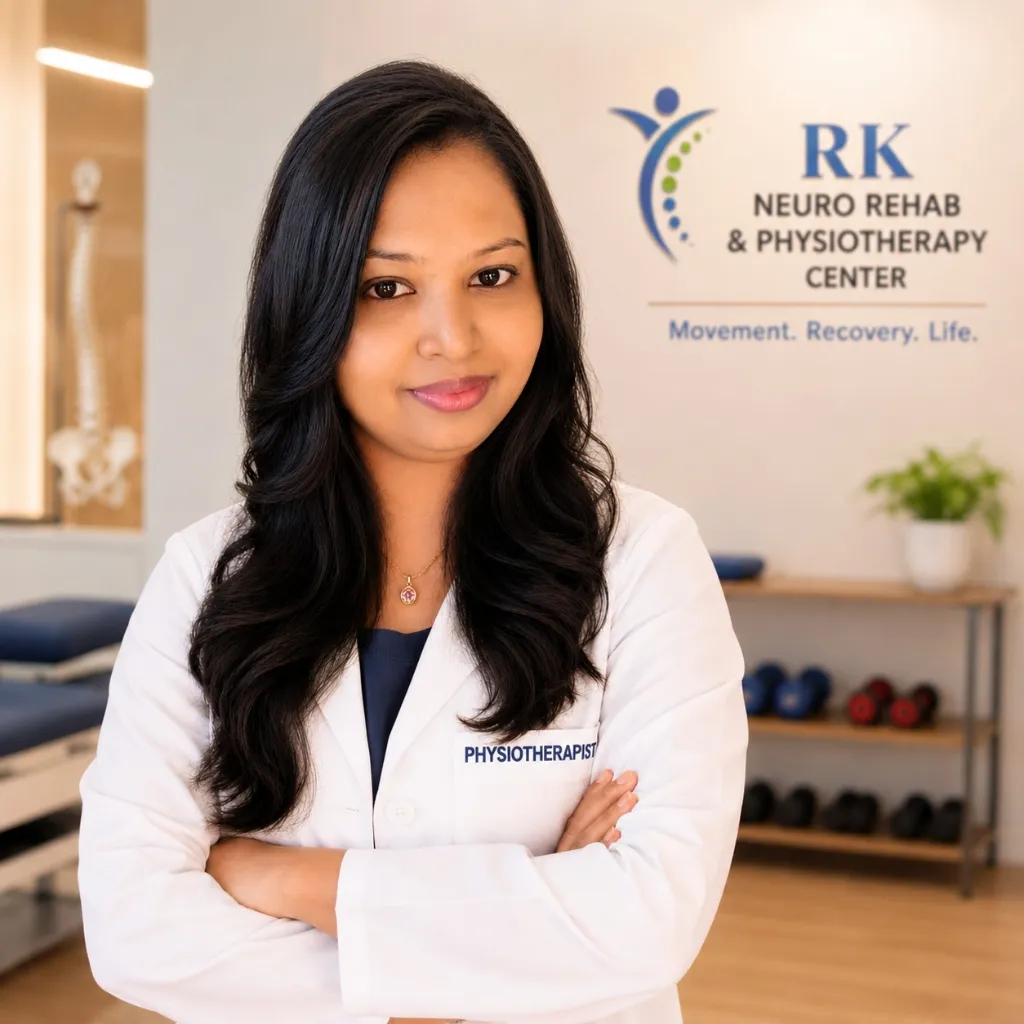
Dr. Karolin Rockson, PT (BPT), Ex. CMC - Vellore
Verified Specialist

Dr. Karolin Rockson, PT (BPT), Ex. CMC - Vellore

Chief Physiotherapist

B.P.T, ex. CMC Vellore7+ Years Exp.
Book Consultation
Symptoms
  • Pain and weakness when raising the arm to the side or forward, especially between 60-120 degrees (painful arc)
  • Pain that is worse at night when lying on the affected shoulder
  • Tenderness directly over the front of the shoulder and subacromial region
  • Weakness when attempting overhead activities or reaching behind the back
  • Gradual loss of shoulder range of motion and stiffness
Causes
  • Weak rotator cuff muscles failing to keep the humeral head properly depressed during arm elevation
  • Poor scapular muscle control causing the acromion to tilt toward the humeral head
  • Forward head posture and thoracic kyphosis narrowing the subacromial space
  • Repeated overhead activities compressing the subacromial structures over time
  • Structural variants: a hooked (Type III) acromion narrowing the subacromial outlet
Diagnosis
  • Neer and Hawkins-Kennedy impingement tests to provoke subacromial pinching
  • Empty Can test to assess supraspinatus tendon integrity
  • Shoulder range of motion goniometry and painful arc identification
  • Ultrasound or MRI to quantify rotator cuff tendinopathy, bursitis, or partial tear
* Evidence-Based Interventions

Clinical
Approaches

Rotator Cuff Strengthening
External rotation and depression exercises to control humeral head position during arm elevation.
Scapular Stabilization
Mid and lower trapezius, serratus anterior strengthening to restore proper scapular upward rotation.
Postural Correction
Thoracic extension and pectoral stretching to open the subacromial space.
Manual Therapy
Glenohumeral joint mobilization and posterior capsule stretching to restore full range of motion.

🏠 Home Exercises Guide

Strengthen your recovery. Perform these exercises strictly under pain-free limits:

📋 Execution Blueprint: Side-Lying External Rotation

  1. 1Lie on your unaffected side with the affected arm on top, elbow bent to 90 degrees.
  2. 2Place a folded towel between your elbow and body to position the arm correctly.
  3. 3Slowly rotate the forearm upward (externally) as far as comfortable without pain.
  4. 4Hold for 2 seconds, then lower slowly to the start position.
  5. 5Perform 3 sets of 15 repetitions to strengthen the infraspinatus and teres minor.

People Also Search For

* FAQs

Common Questions

Yes, the vast majority (over 85%) of shoulder impingement cases resolve completely with dedicated physiotherapy over 8-12 weeks. Surgery (subacromial decompression) is rarely needed and should only be considered after a thorough physiotherapy trial.
Nighttime shoulder pain is very common in impingement because lying on the arm increases subacromial pressure, compressing the already irritated bursa and rotator cuff tendons. Sleeping on the back or unaffected side with a pillow support can help.
The painful arc is pain experienced specifically between 60-120 degrees of arm elevation — where the greater tuberosity of the humerus narrows the subacromial space and pinches the rotator cuff tendons.
Yes, forward head posture and thoracic kyphosis tilt the acromion downward and forward, physically narrowing the subacromial space. Postural correction is a fundamental part of shoulder impingement physiotherapy.
Clinical tests can differentiate: significant weakness on resisted shoulder abduction or empty can test suggests a tear, while impingement tests (Neer, Hawkins) are positive in both. MRI confirms the diagnosis when clinically uncertain.
Initially, painful overhead activities are modified or avoided. As rotator cuff strength and scapular control improve, overhead activities are progressively reintroduced in a graded, sport-specific manner.
Subacromial bursitis is inflammation of the fluid-filled bursa protecting the rotator cuff tendons. It frequently coexists with impingement and is treated with similar physiotherapy approaches plus anti-inflammatory modalities.
Corticosteroid injections can provide short-term pain relief that enables physiotherapy to proceed comfortably. However, repeated injections weaken tendon tissue, so they should not be used as a standalone treatment.
* Patient Success Stories

Reviews for
Shoulder Impingement Syndrome

Jun 2026

"I had almost given up hope with my shoulder impingement syndrome, but Dr. Karolin Rockson PT - Best Neuro Ortho Physio Clinic in Vellore restored my quality of life. The dedication of this team is phenomenal."

A
Aarti C.
Verified Patient
Apr 2026

"After trying multiple places for my shoulder impingement syndrome, Dr. Karolin Rockson PT - Best Neuro Ortho Physio Clinic in Vellore was the only clinic that gave me real results. The combination of advanced therapy and home exercises worked wonders."

S
Senthil Kumar
Verified Patient
Mar 2026

"My experience with their shoulder impingement syndrome rehab program was outstanding. The personalized attention and constant motivation kept me on track."

A
Anand V.
Verified Patient
Jan 2026

"Superb facility and even better staff. If you suffer from shoulder impingement syndrome, this is the only place in Vellore you should trust with your health."

V
Vikram S.
Verified Patient
Nov 2025

"Five stars! The shoulder impingement syndrome rehabilitation program here is exceptional. I felt heard, understood, and perfectly guided through every step of my recovery."

D
Deepa H.
Verified Patient
Oct 2025

"Dr. Rockson is a miracle worker. His expertise in treating shoulder impingement syndrome is unmatched. I've regained my mobility and confidence."

P
Priya S.
Verified Patient
Aug 2025

"The recovery timeline they gave me for my shoulder impingement syndrome was accurate, and they supported me every step of the way. Highly professional team."

R
Rajeshwari P.
Verified Patient
Jul 2026

"If you need shoulder impingement syndrome treatment in Katpadi or Vellore, look no further. The equipment is modern and the physiotherapists genuinely care about your progress."

V
Vijay T.
Verified Patient
May 2026

"A truly holistic approach to shoulder impingement syndrome. The clinical excellence here is evident from the very first consultation. Worth every penny."

R
Ramesh K.
Verified Patient
Apr 2026

"I am so grateful for the shoulder impingement syndrome care I received. Dr. Karolin is patient, skilled, and incredibly effective. 10/10 recommendation!"

M
Mohan L.
Verified Patient

Begin Your
Recovery Today*

Comprehensive clinical assessment within 48 hours.

Exclusive Portal Offer

Free Initial Assessment

Includes clinical check, analysis, and personal recovery planning for Shoulder Impingement Syndrome under Dr. Karolin Rockson, PT (BPT), Ex. CMC - Vellore.

Secure Your Slot

Chat with our care coordinator to find the perfect time.

Instant Booking
Expert Triage
100% Secure & Private Connection
Verified Author Protocol

Dr. Karolin Rockson, PT (BPT), Ex. CMC - Vellore

Board: Indian Association of Physiotherapists (IAP)
Reg No: PT-84729

Our Main Clinic Website

Vellore Physio Clinic — vellorephysio.com

Visit our primary clinic portal for appointments, clinic hours, directions, and full patient services at Katpadi Road, Vellore.

Visit vellorephysio.com
★ The Dr. Karolin Rockson PT Standard

The Dr. Karolin Rockson PT Difference

Discover why Dr. Karolin Rockson PT - Best Neuro Ortho Physio Clinic in Vellore stands as India's premier neurological recovery ecosystem. Tap the categories below to explore our interactive core pillars.

15+ Years Clinical Experience
Clinical Pillar 01

Expert Neuro Leadership

Our directors hold Master's and Doctoral credentials in Neurological Physiotherapy from premier medical universities. We are formally registered with the Indian Association of Physiotherapists (IAP) and certified in advanced Bobath NDT concepts, guaranteeing the highest tiers of medical diagnostic integrity.

Clinical Indicator
94% Motor Success Rate
Direct Patient Benefit
Retrained brain-muscle pathways via neuroplasticity.
Active Rehabilitation Quality Standard
Explore Pillar